
The Benefits of Crate Training Your Puppy: A Beginner’s Guide
PP
Understanding Crate Training
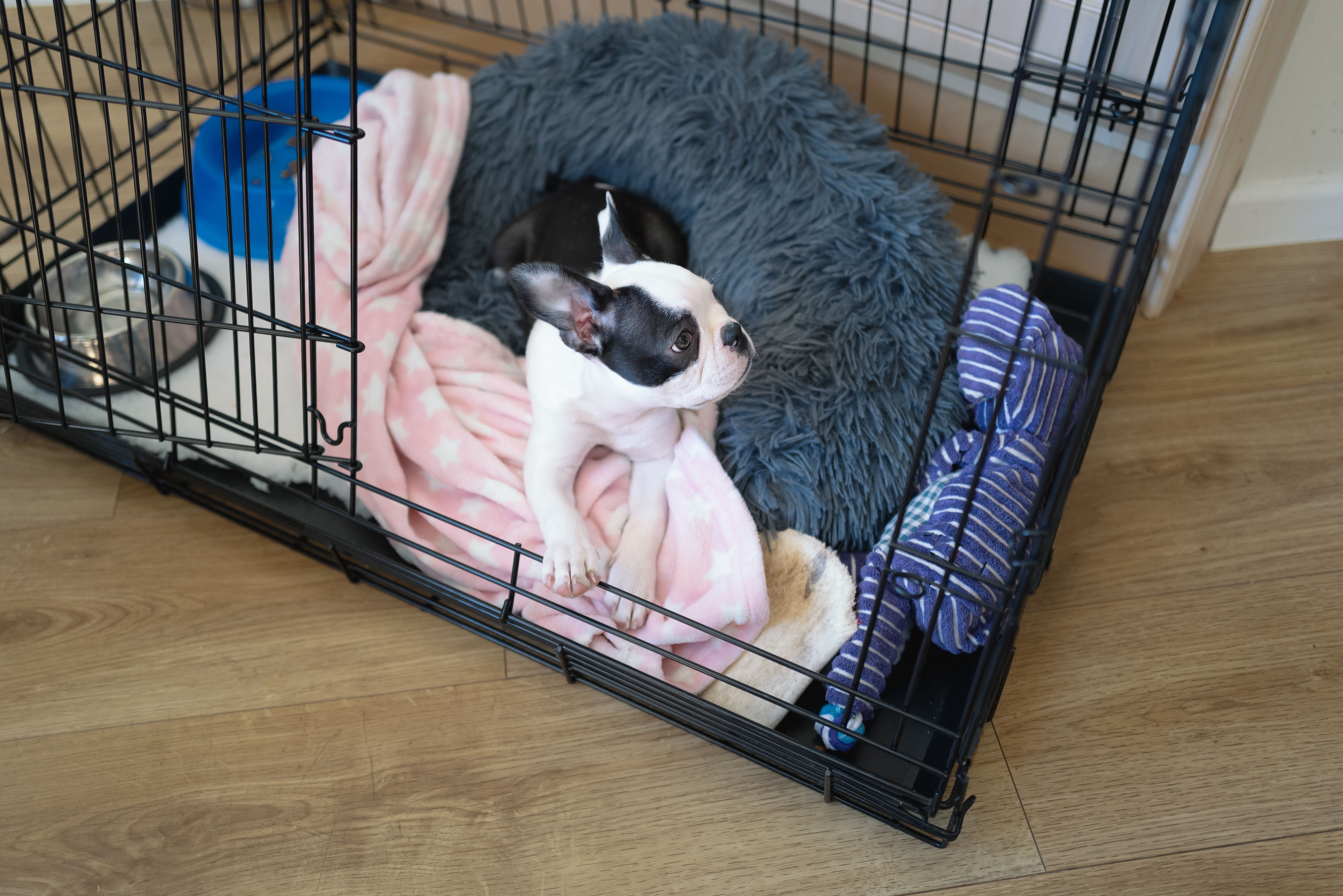
Crate training is a popular method used by pet owners to help their puppies acclimate to their new homes. This technique involves using a crate as a safe and comfortable space for your puppy. It taps into their natural instincts to find a den-like space where they feel secure. Crate training is not about confinement; it's about providing a sanctuary.
Why Crate Training is Beneficial
There are numerous benefits to crate training your puppy. First and foremost, it aids in housebreaking. Puppies naturally avoid soiling their sleeping areas, which encourages them to hold their bladder until they are let outside. This process can significantly speed up potty training.
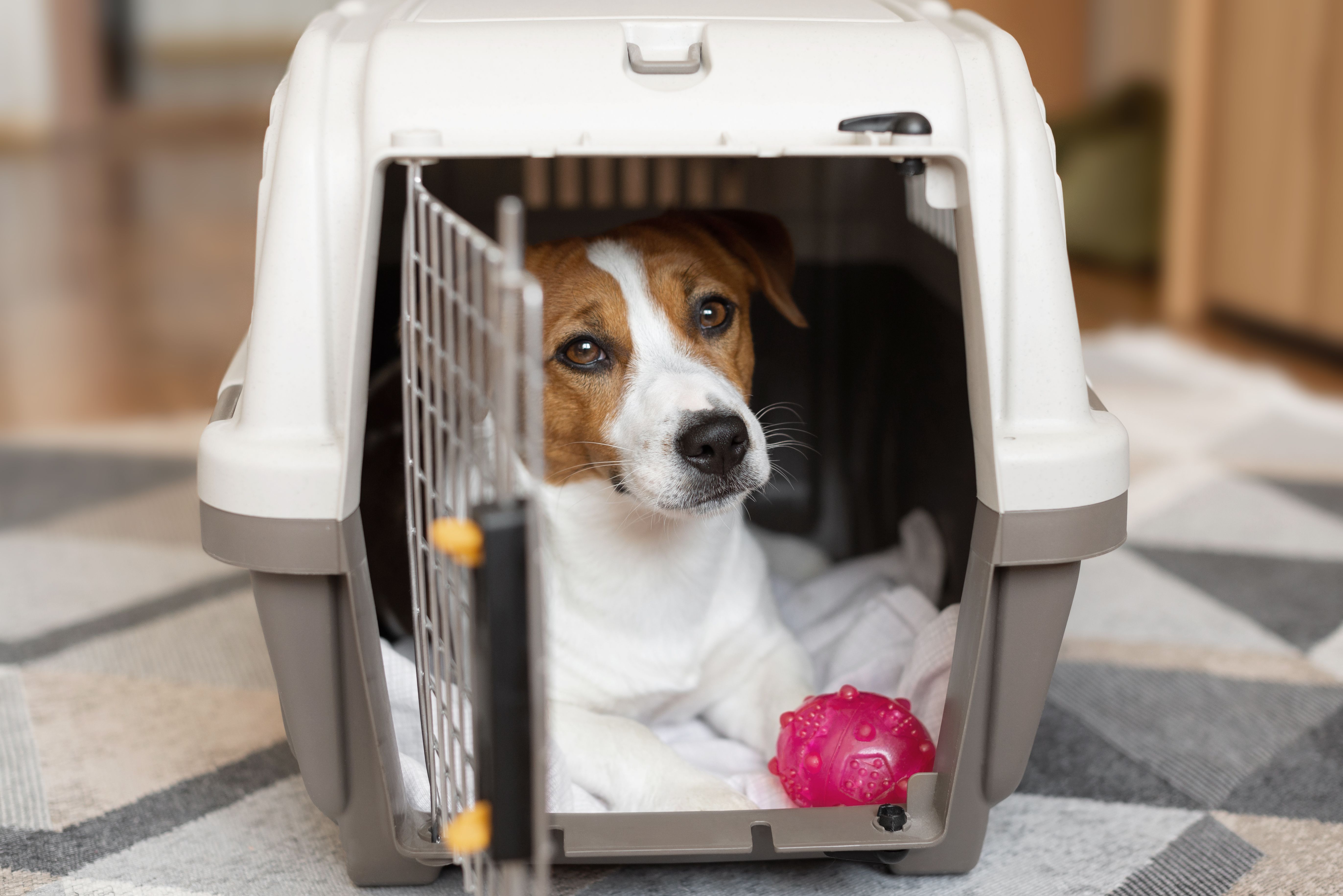
Additionally, a crate offers a sense of security for your puppy. It can become a retreat for them during stressful situations like thunderstorms or when guests are over. Moreover, if your puppy becomes accustomed to their crate, it can ease travel experiences and make vet visits less stressful.
How to Choose the Right Crate
When selecting a crate, size is crucial. The crate should be large enough for your puppy to stand, turn around, and lie down comfortably but not so large that they have space to use one end as a bathroom. There are various types of crates available, including wire, plastic, and fabric crates. Each type has its own advantages, so consider your lifestyle and your puppy's needs when making a choice.
Steps to Begin Crate Training
Initiating crate training requires patience and consistency. Here are some steps to help you get started:
- Introduce the Crate: Place the crate in a common area and allow your puppy to explore it. Use treats to encourage them to enter.
- Feed Meals in the Crate: Start feeding your puppy their meals near the crate, gradually moving the dish inside to build positive associations.
- Gradual Confinement: Once your puppy is comfortable, begin closing the door for short periods while you are home. Gradually increase the time they spend inside.
Common Challenges and Solutions
During crate training, you might encounter some challenges. If your puppy whines, it may be due to anxiety or a need to eliminate. Ensure that they have been outside recently and try not to respond immediately to whining, as this can reinforce the behavior. Instead, wait for a pause before letting them out.
Maintaining a Positive Experience
To keep crate training a positive experience, never use the crate as a punishment. Always ensure it’s a welcoming environment with comfortable bedding and toys. Regularly check that your puppy is not spending excessive time in the crate, especially during the day, to avoid feelings of isolation.
Consistency is Key
Crate training requires a consistent routine. Set a schedule for meals, potty breaks, and playtime to help your puppy adjust. Consistency will not only aid in crate training but will also establish a predictable environment that helps your puppy feel secure.

Conclusion
Crate training can be a rewarding experience for both you and your puppy. By providing a safe and comfortable environment, you help your puppy adapt to their new home while establishing a foundation for future training. With patience and consistency, crate training can lead to a happier, more well-adjusted pet.