
Seasonal Puppy Care: Preparing Your New Pet for Different Climates
PP
Understanding the Basics of Climate Adaptation
Bringing a new puppy into your home is an exciting experience. However, just like humans, puppies need to adjust to different climates. Whether you're in a region with harsh winters or scorching summers, it's crucial to equip your puppy with the right care to ensure their health and happiness.
Preparing for Hot Weather
Hydration and Shade
In hot climates, keeping your puppy hydrated is essential. Always provide fresh water and ensure they have access to shaded areas when outside. Consider using a kiddie pool for them to splash around and cool off.
Paw Protection
Hot pavement can burn delicate puppy paws. Try to walk your puppy during cooler parts of the day, like early morning or late evening. If necessary, invest in protective booties to safeguard their feet.
Dealing with Cold Weather
Warm Clothing
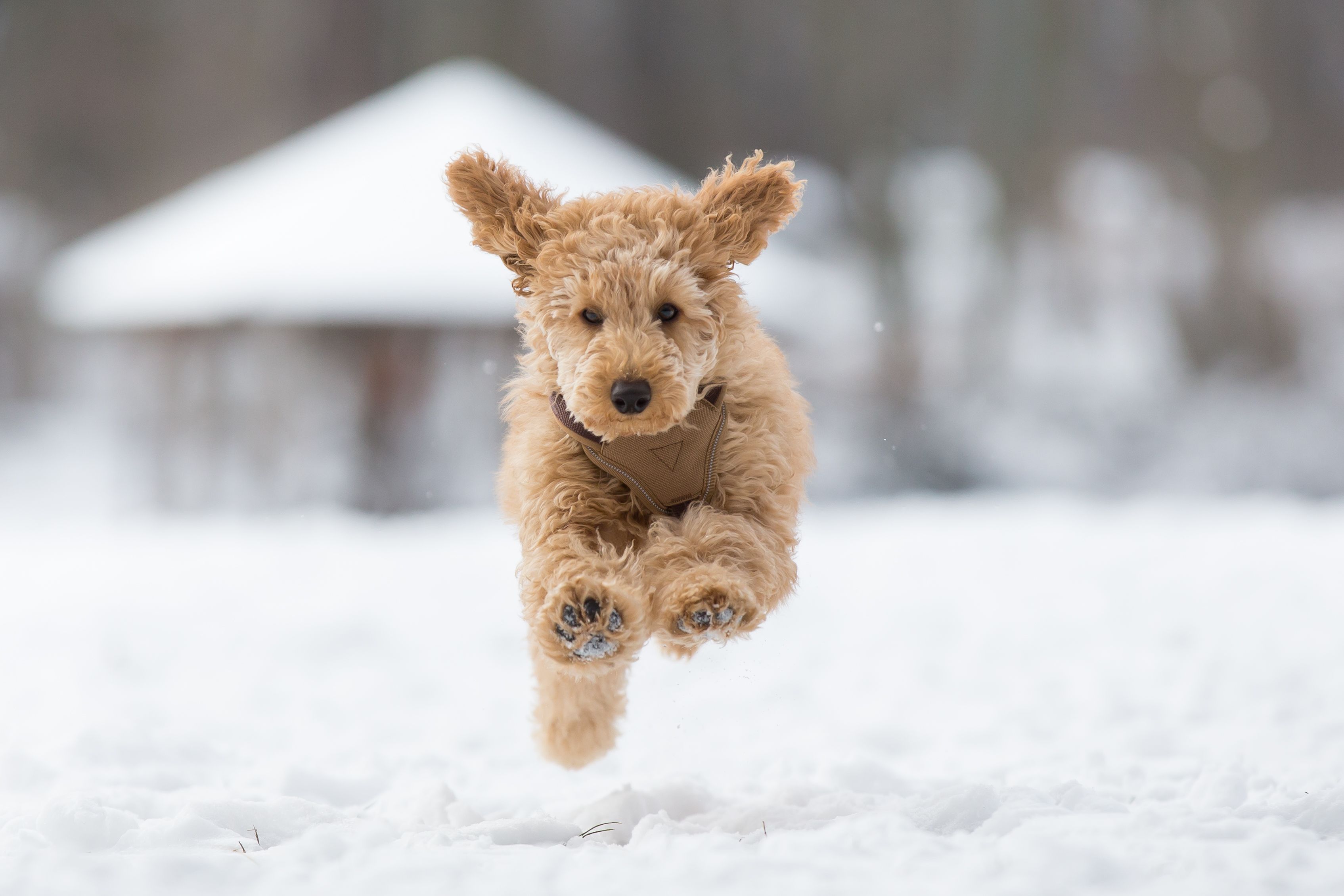
In colder climates, puppies may need extra layers. Look for well-fitted sweaters or jackets that can keep them warm during walks. Avoid overly bulky clothing that might restrict their movement.
Indoor Comfort
Ensure that the indoor environment is cozy. Use warm bedding and consider a heated mat for extra comfort. Puppies should be kept away from drafts and cold floors to prevent hypothermia.
Understanding Seasonal Allergies
Just like humans, puppies can suffer from allergies. Watch for signs like excessive scratching, licking, or sneezing. Consulting a veterinarian for appropriate treatments can help alleviate their discomfort.
Nutritional Adjustments
Different seasons might require dietary changes. In colder months, some puppies may benefit from a diet with a slightly higher calorie content, while summer might call for a lighter diet. Always consult your vet before making significant changes.

Regular Check-Ups
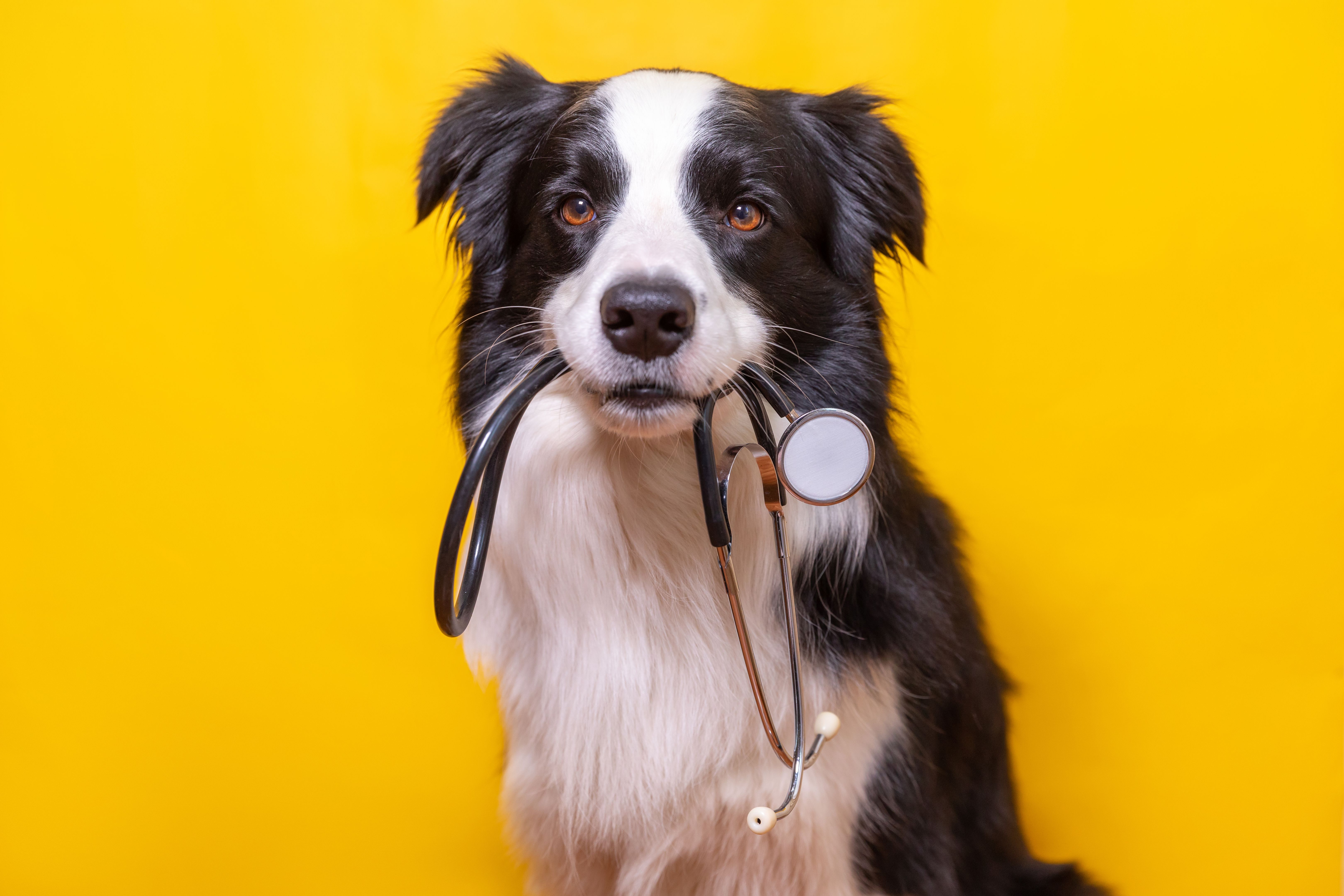
Regular vet visits are crucial to monitor your puppy's adaptation to seasonal changes. A vet can provide personalized advice and ensure vaccinations and preventatives are up to date, protecting your puppy from seasonal pests like ticks and fleas.
Training and Socialization
Training should continue regardless of the weather. Use indoor spaces during extreme temperatures to keep up with socialization and basic commands. This ensures your puppy remains well-behaved and adaptable to various environments.
Final Thoughts
Preparing your new puppy for different climates requires attention and care. By providing the right environment and following these guidelines, you can ensure your puppy grows into a healthy and happy dog, ready to enjoy each season by your side.