
Puppy Socialization: Tips for a Happy, Well-Adjusted Pet
PP
Understanding Puppy Socialization
Socializing your puppy is a crucial step in ensuring they grow into a happy and well-adjusted adult dog. The process involves exposing them to various people, environments, and experiences. This helps them become more adaptable and less anxious in unfamiliar situations.

The Importance of Early Socialization
Early socialization, ideally between the ages of 3 to 14 weeks, is essential. During this period, puppies are more receptive to new experiences. Missing this critical window can lead to behavioral issues such as fear and aggression. Therefore, it's important to introduce your puppy to different stimuli early on.
Introducing Your Puppy to New People
Having your puppy meet a variety of people is important for their development. Encourage friends and family to interact with your puppy, offering treats and gentle petting. This will help your puppy associate new people with positive experiences.

Exploring Different Environments
Expose your puppy to various environments, such as parks, busy streets, and quiet areas. This helps them become comfortable in different settings. Start with quieter locations and gradually move to busier ones as your puppy becomes more confident.
Introducing Other Animals
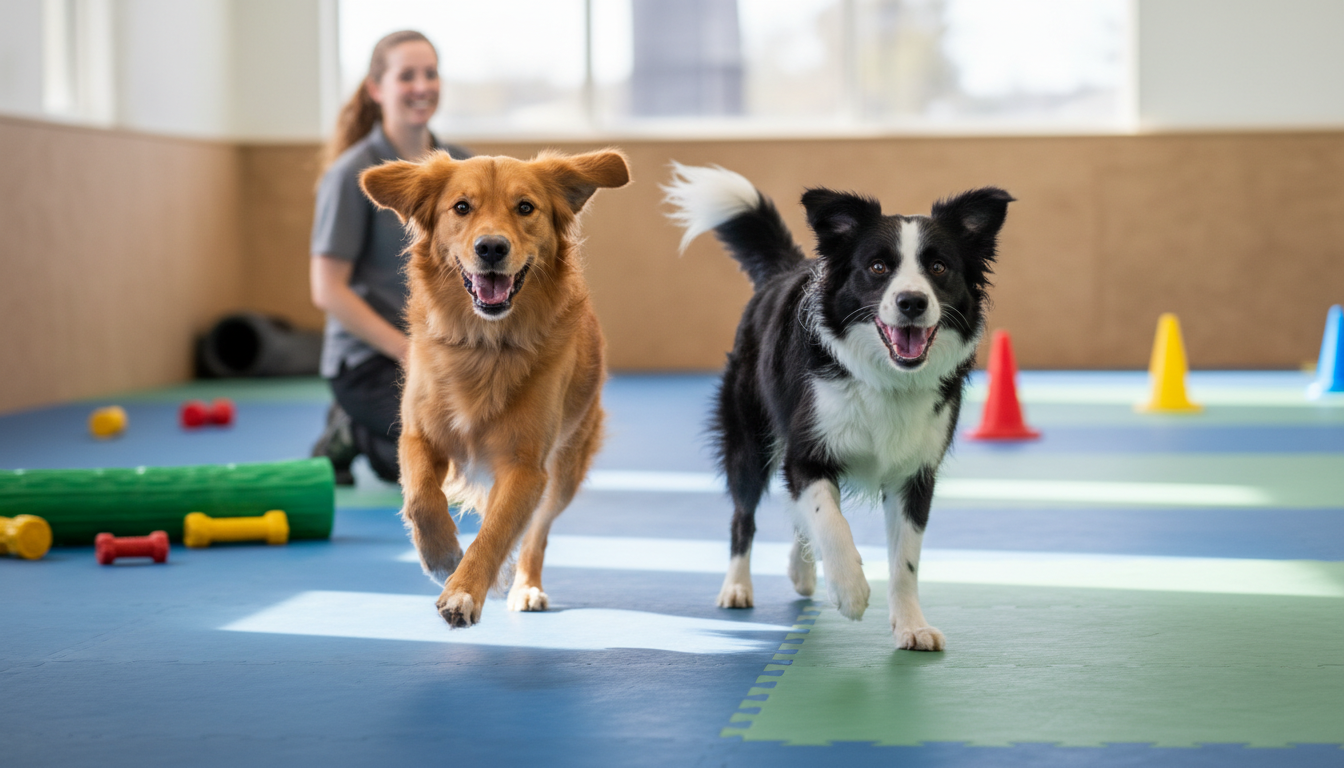
Socializing your puppy with other animals is crucial. Arrange playdates with other dogs and introduce them to cats if possible. Ensure these interactions are supervised and positive to avoid any negative associations.
Handling and Touch
Getting your puppy used to being handled is vital, especially for veterinary visits. Practice touching their paws, ears, and mouth gently. Reward them with treats to create a positive association with being handled.
Exposure to Sounds
Puppies need to get accustomed to various sounds, including household noises like vacuum cleaners and doorbells. Play recordings of different sounds at a low volume, gradually increasing it as your puppy becomes more comfortable.
Creating Positive Associations
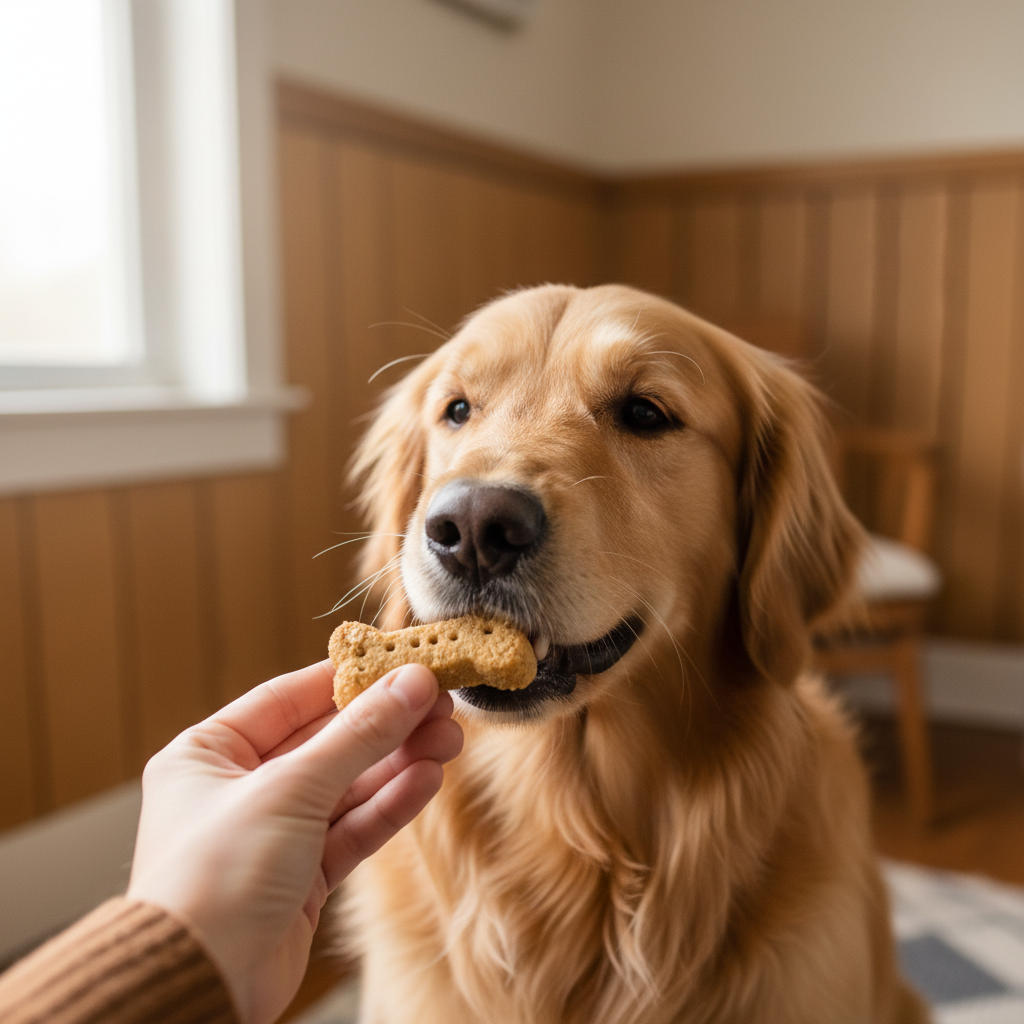
Always ensure that new experiences are positive. Use treats, praise, and play to reward your puppy for calm and curious behavior. This will help them form positive associations with new experiences.
Patience and Consistency
Socialization is not a one-time event but a continuous process. Be patient and consistent, gradually introducing new experiences to your puppy. This will result in a confident and well-adjusted pet.
By following these tips, you can help your puppy grow into a balanced and happy adult dog. Remember, the effort you put into socializing your puppy will pay off in the long run, leading to a more enjoyable and fulfilling companionship.