
Leash Training 101: Tips for Walking Your Small Dog
PP
Walking a large dog often feels like an athletic event, but walking a small breed brings a completely different set of challenges. You might think your tiny companion prefers carrying over walking, but exercise remains vital for their health and happiness. Small dogs, from toy poodles to Chihuahuas, possess a surprising amount of energy that they need to burn off to stay healthy and well-behaved.
Many new owners feel nervous about leash training because their puppies look so fragile. We understand that fear completely. You want to protect your little one from the big, scary world. However, confident leash walking builds a bond between you and your puppy that snuggling on the couch simply cannot replicate. It creates a shared adventure and teaches your dog to trust you in new environments. Precious Petite Puppies created this leash training 101 guide full of tips for walking your small dog and helping them learn something new.
Why Leash Training Matters for Small Breeds
People often joke about purse dogs, assuming small breeds do not require walking. This misconception leads to many behavioral issues. Even the tiniest dogs need to stretch their legs, sniff new smells, and engage their brains. Regular walks prevent obesity, which poses a significant health risk for small frames. Excess weight puts unnecessary strain on delicate joints and backs.
Beyond physical health, leash walking provides critical mental stimulation. Your puppy experiences the world through scent. A walk around the block allows them to read the news of the neighborhood. This mental activity tires them out just as much as physical play. A tired puppy is a good puppy, and you will likely see a decrease in destructive behaviors at home when you establish a walking routine.
Select the Proper Gear for Safety
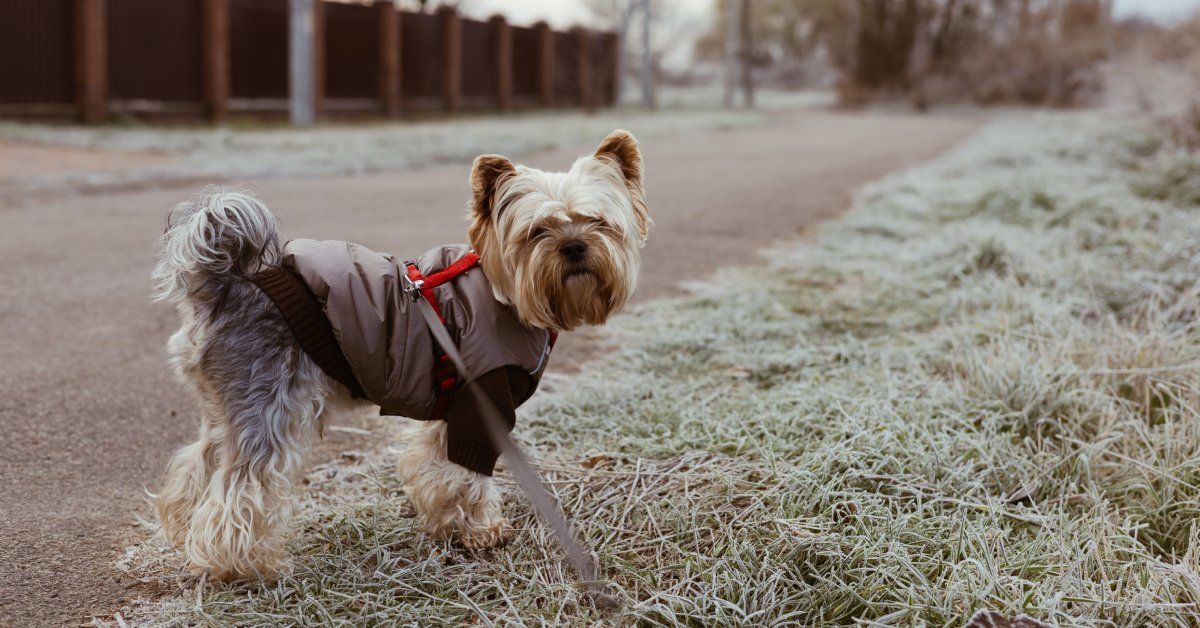
You must choose the right equipment before you even step outside. We strongly recommend using a harness rather than a collar for walking small breeds. Tiny dogs often have delicate tracheas (windpipes) that can collapse under the pressure of a collar if they pull. A harness distributes that pressure across the chest and shoulders, keeping their neck safe from injury.
Look for a lightweight harness that doesn’t restrict movement. A heavy clasp or thick leather might weigh a small puppy down. Soft mesh harnesses usually work best for comfort and breathability. Make sure you fit the harness correctly; you should fit two fingers snugly between the harness and your dog’s body. If it feels too loose, they might wiggle out. If it feels too tight, it will cause discomfort and make them hate the gear.
Introducing the Harness Inside Your Home
You should not expect your puppy to accept a harness immediately. To them, it feels like a strange hug that won’t let go. Start by putting the harness on your puppy while you are inside the house. Let them wear it for short periods while they eat dinner or play with a favorite toy. This creates a positive association with the sensation of wearing it.
If they freeze up and refuse to move, do not worry. This reaction happens frequently. Coax them forward with a high-value treat or a squeaky toy. Keep these sessions short and happy. You want them to forget they are wearing anything at all. Once they run around freely with the harness on, you know you are ready for the next step.
Practice Leash Skills in Your Living Room
Clip the leash onto the harness and let your puppy drag it around under your supervision. This lets them get used to the weight and feel of the leash following them. Never leave them unsupervised with a dragging leash, as it can get caught on furniture.
Pick up the other end of the leash and encourage your puppy to follow you. Walk around your living room or down a hallway. Use a happy, inviting voice. When they walk toward you, offer praise and a treat. We want to teach them that being attached to you is a fun game, not a punishment. Indoor practice removes the scary distractions of cars and loud noises, allowing your puppy to focus entirely on you.
Manage Interactions With Larger Dogs
Safety is your top priority when walking a small dog. You must stay vigilant about other animals. Not every big dog plays gently, and some have high prey drives that a small, scurrying creature can trigger. Always ask the other owner before allowing a greeting. If you feel unsure, simply cross the street or pick your puppy up.
Socialization also matters, but positive experiences matter more. One bad scare can set training back by months. Look for other small dogs for playdates or walking buddies. If you are currently looking at teacup puppies for adoption in Georgia, you need to prepare for their arrival by scouting out safe, low-traffic walking routes in your neighborhood where they won’t feel threatened by large, off-leash dogs.
Keep Your Walks Short and Sweet
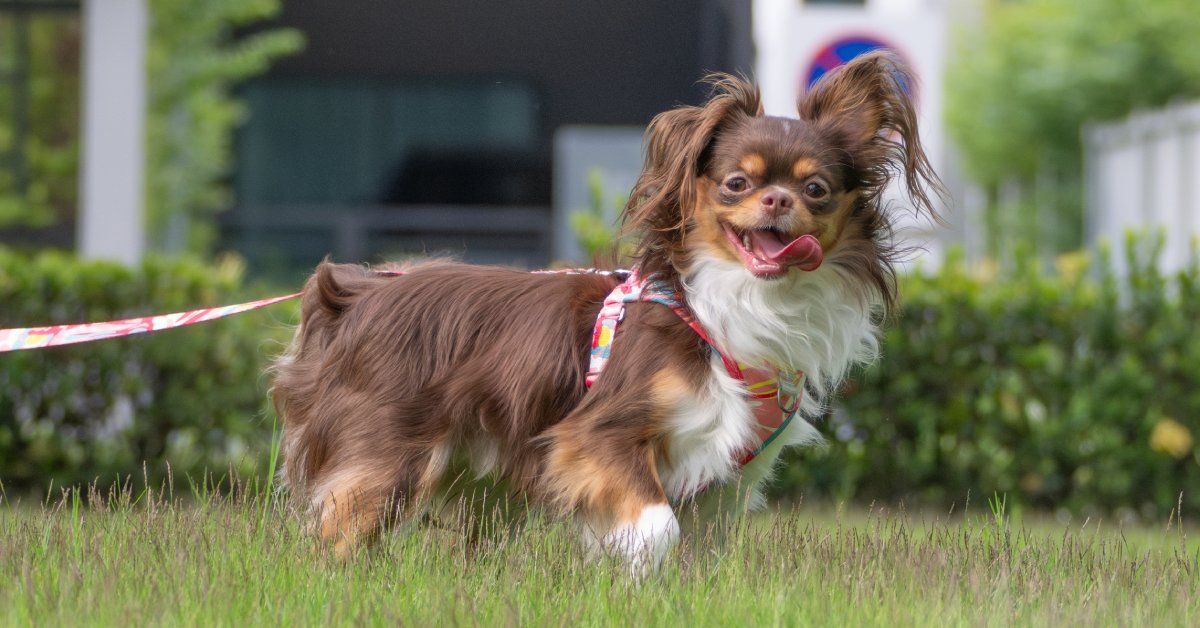
Small legs have to take ten steps for every one of yours. A walk around the block might feel like a marathon to a teacup puppy. Watch for signs of fatigue. If they start lagging behind, panting heavily, or asking to be picked up, they have reached their limit.
Start with five or ten minute walks to build up endurance gradually. Weather also affects small dogs more intensely. They lose body heat quickly in the cold and can overheat easily in the summer. Adjust your walking schedule to the coolest parts of the day in summer and bundle them up in a sweater during winter.
Use Positive Reinforcement Effectively
Scolding a small dog for pulling or stopping rarely works. They typically respond best to encouragement. Reward the behaviors you want to see. If they walk nicely on a loose leash, tell them, “Good job” and offer a treat. If they stop to sniff, let them sniff as a reward for walking well.
- Treats: Use tiny, pea-sized amounts so that you don’t fill them up.
- Praise: Use a high-pitched, happy tone.
- Play: A quick game of tug is a great reward during a walk.
- Freedom: Letting them sniff a fire hydrant is the ultimate payment for heeling nicely.
We hope these tips help you feel more confident about leash training and walking your small dog. It brings us so much joy to see happy, healthy puppies exploring the world with their families. If you ever have questions about specific behaviors or need advice on the best gear for your tiny friend, please reach out to us. We love chatting with our community and helping you give your puppy the best life possible. Enjoy every step of the journey with your little one!